SEISMOS 2026 brings together researchers, professionals, and stakeholders working in seismology and related Earth sciences to share recent scientific advances, exchange knowledge and experience, and explore new directions for research and collaboration.
The programme will include oral presentations and poster sessions, covering a broad range of topics in seismology and Earth sciences.
Accepted extended abstracts will be published in the SEISMOS 2026 Conference Proceedings, to be released after the conference.
Participation in the SEISMOS 2026 Conference is free of charge.
Preliminary Programme
Conference Program
10 November, 2026
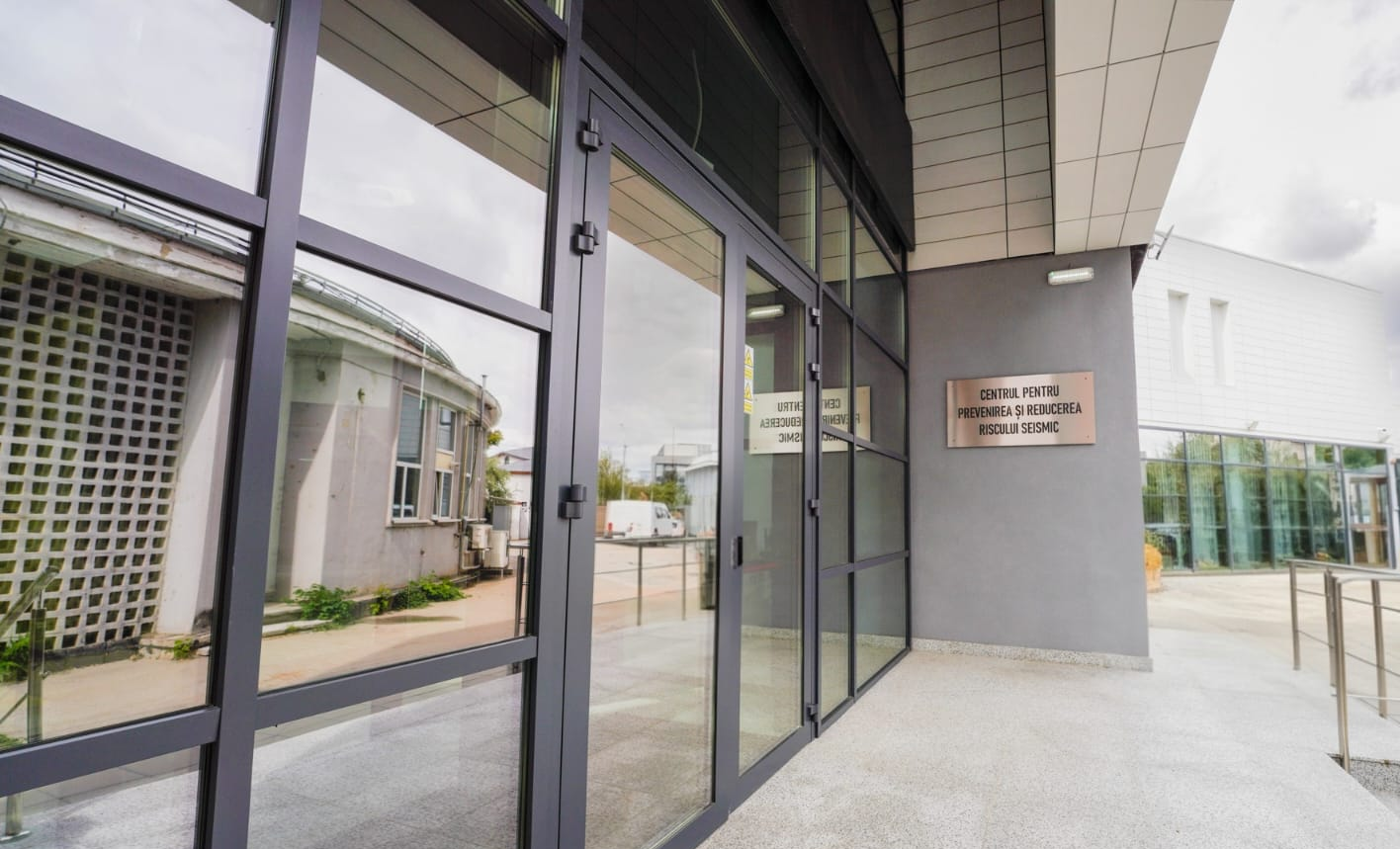
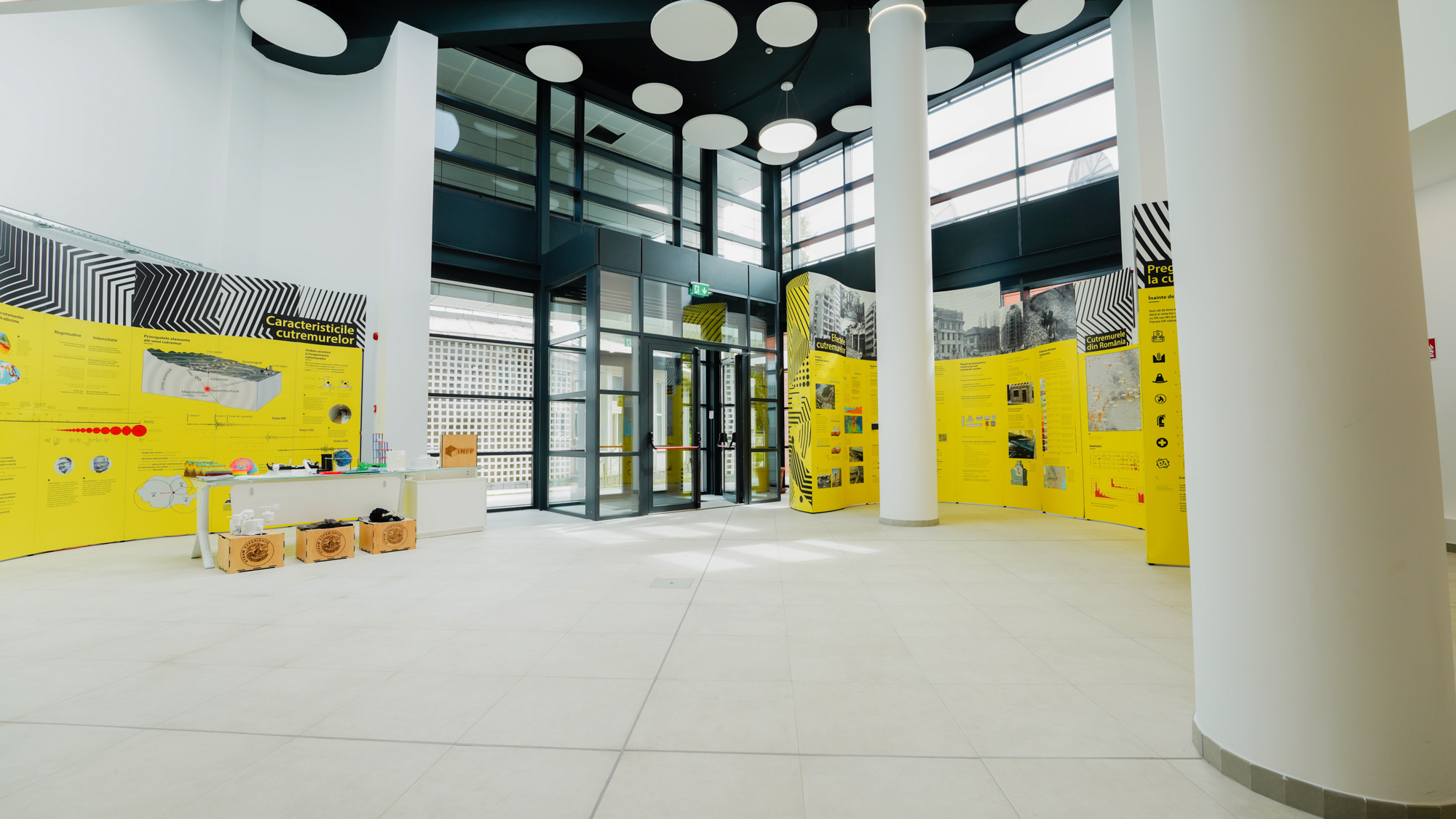
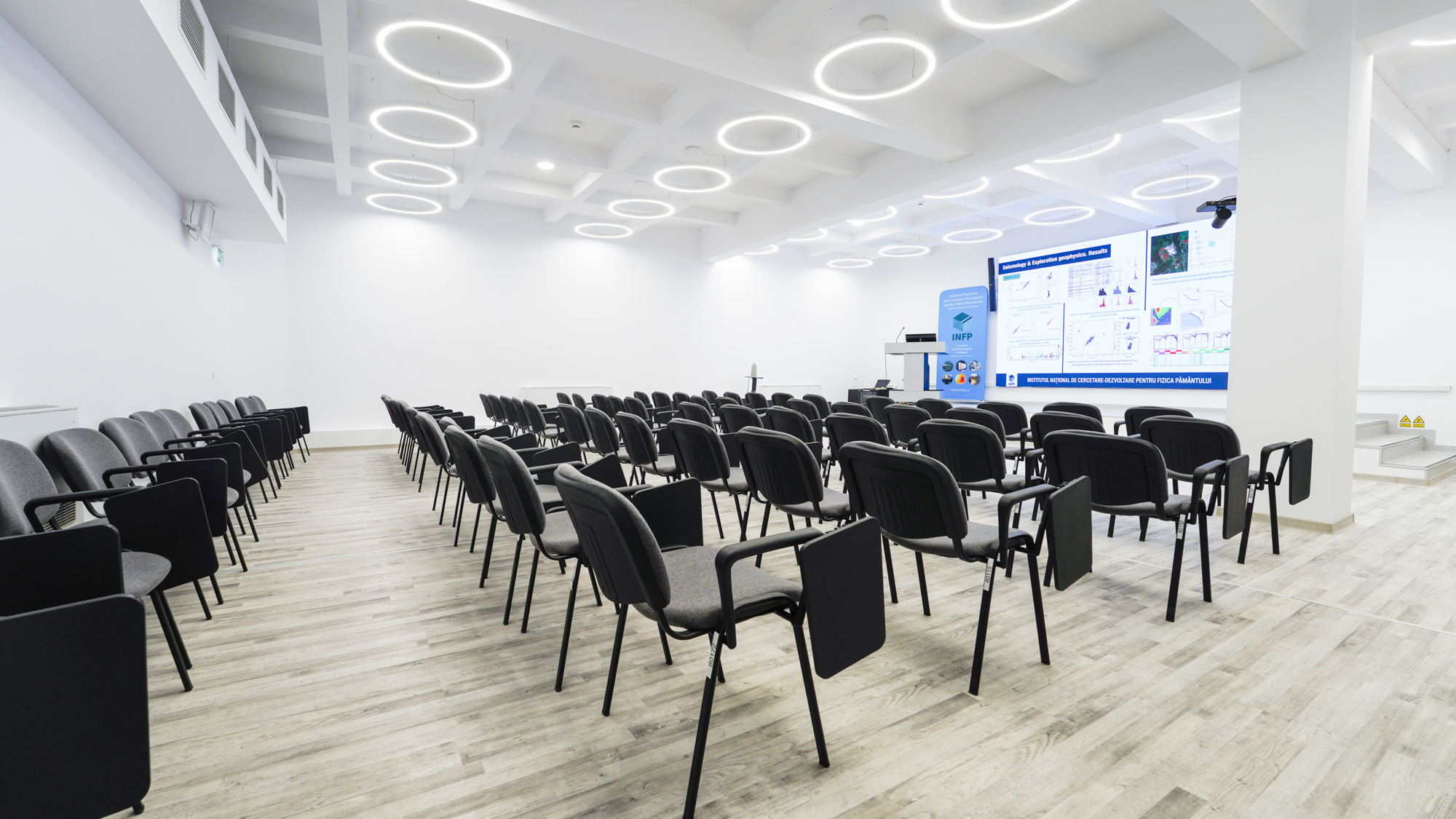
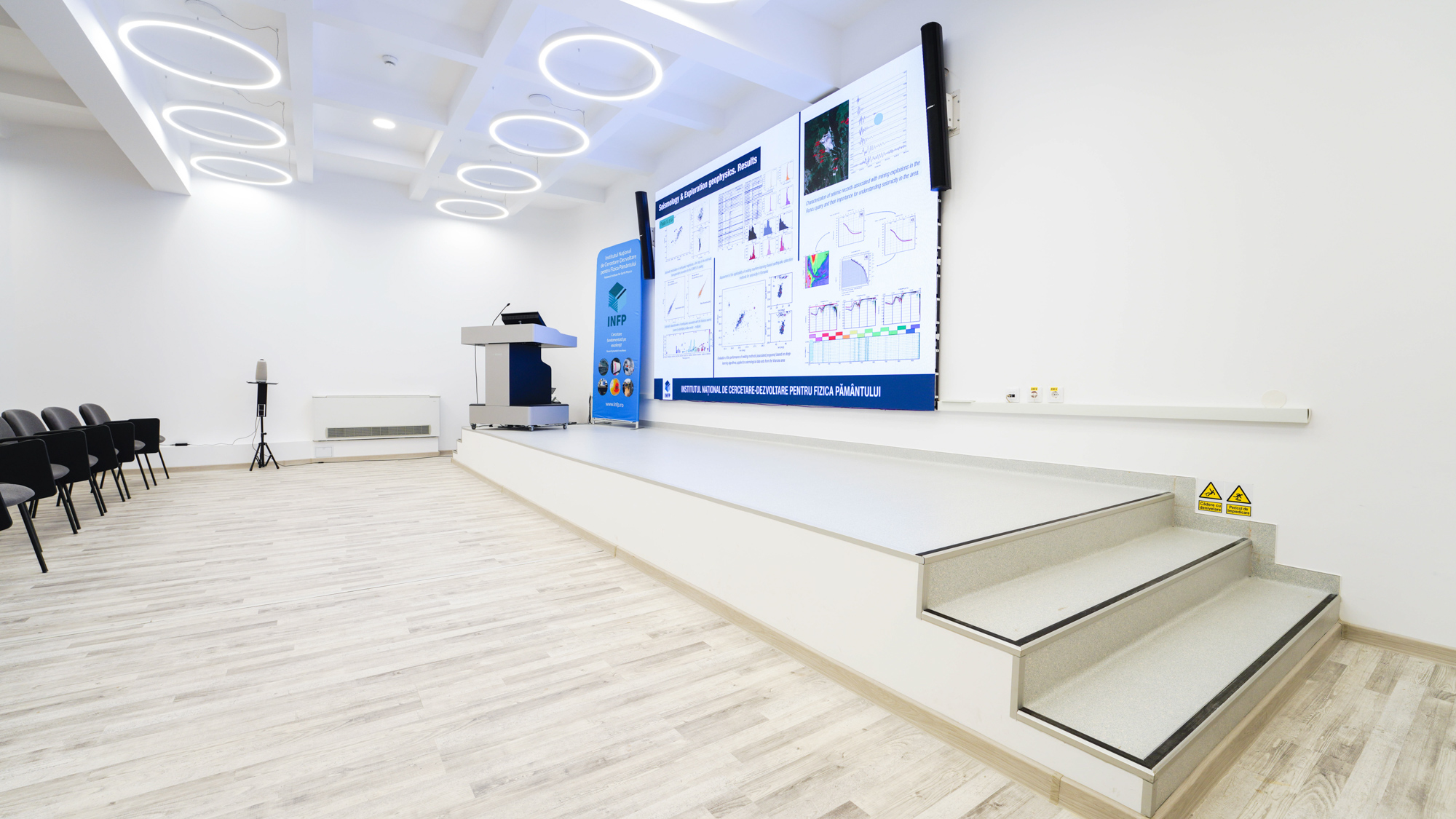
Venue · Conference Hall, Prevention and Seismic Risk Reduction Centre
REGISTRATION OF PARTICIPANTS
Participants are kindly requested to leave their posters at the registration desk to be displayed
OPENING CEREMONY & WELCOME REMARKS
Constantin IONESCU
Director General · National Institute for Earth Physics (NIEP)
Tudor PRISECARU
Vice President · National Research Authority
SESSION I · ORAL PRESENTATIONS
- Alexandru MARMUREANU · National Institute for Earth PhysicsTRANSFORM²: Connecting European Near Fault Observatories (NFO) for the next generation of earthquake research - sensors, Machine Learning and Early Warning
- Dragos ENE · National Institute for Earth PhysicsMonitoring drone explosions in Romanian airspace in the summer of 2026 using the INFP infrasound network
- Natalia POIATA & Bogdan GRECU · National Institute for Earth PhysicsAnalysis of continuous seismic records for subsurface deformation monitoring in the Slănic Salt Karst, Romania
- Mircea RADULIAN · National Institute for Earth PhysicsClustering properties of the Vrancea intermediate-depth earthquakes: implications on underlying mechanisms
- Alexandru TIGANESCU · National Institute for Earth PhysicsOperational seismology for multi-hazard impact assessment and rapid response within the ARISTOTLE scientific partnership
- Dragos TOMA-DANILA · National Institute for Earth PhysicsAn OpenQuake-based rapid earthquake loss estimation system for Romania
COFFEE BREAK
SESSION II · ORAL PRESENTATIONS
- Bogdan ENESCU · National Institute for Earth Physics - online presentationRevisiting probabilistic forecasts of large Vrancea earthquakes
- Evgheni CUTIA & ȚURCAN Vadim · Technical University of MoldovaBuilding stock inventory and vulnerability screening in the Râșcani district of Chișinău
- Dragos TATARU · National Institute for Earth PhysicsIntegrated urban geophysics for a transferable salt-karst monitoring prototype
- Hunor BARTOS · Research and Development Institute for Wildlife and Mountain Resources, Miercurea Ciuc - online presentationSurface Ozone Variability and wheat exposure in the Eastern Carpathians: A multi-year monitoring and modelling approach
- Luminita MARMUREANU · National Institute for Earth PhysicsHybrid operational high-resolution atmospheric transport modeling: A case study of ¹³³Xe and ¹³⁵Xe Near a CANDU Nuclear Power Plant
- Razvan PÎIRLOAGĂ · Faculty of Physics, University of BucharestHeat stress and outdoor-labour losses in Bucharest: present climate, projections to 2100 and legal heat trigger
- Bogdan ANTONESCU · National Institute for Earth PhysicsEight decades of thermal stress in Europe: trends, drivers and vulnerability
Group photo before lunch break
LUNCH BREAK
SESSION III · ORAL PRESENTATIONS
- Dragos TATARU · National Institute for Earth PhysicsBuilding capacity for geoscience and hazard education through GeoEduLab & Presentation of QuakeQuest: Immersive Educational Earthquake Simulation
- Bogdan GRECU · National Institute for Earth PhysicsTowards integrated characterization and monitoring of Râușor Dam: Preliminary results from the GEODAM project
- Lucian BESUTIU · Sabba S. Ștefănescu Institute of GeodynamicsDensity architecture and structural peculiarities around hypocentre of a crustal earthquake
- Irina STANCIU · National Research-Development Institute for Marine Geology and Geoecology – GeoEcoMarLinking onshore and offshore sulphurous seepage in the Mangalia area (Romania, Western Black Sea)
- Ileana RADULESCU · Horia Hulubei National Institute for R&D in Physics and Nuclear EngineeringEnvironmental radon assessment: Interactions between geology, water, soil and building materials
- Azizbek NISHONOV · University of Business and Science, Namangan, Uzbekistan online presentationP- and S-Wave travel times and attenuation in a simple layered crust: A numerical study
- Saeed GIVEHCHI · Disaster Engineering Dept. Faculty of Environment, University of Tehran, Tehran, Iran - online presentationAssessing community preparedness and earthquake risk perception for disaster risk reduction: A case study of an urban area in Tehran, Iran
- Adamu ABDULKARIM · Department of Physics, Federal University Gashua, Yobe State, Nigeria - online presentationIntegrating remote sensing and aeromagnetic data for structural lineament mapping in Nigeria: Methods, validation, and research gaps
Venue: INCDFP Library
I · Science through Experiment
- Eduard NASTASE, Mihai BONI & Alex MACOVEI · INCDFP / GeoedulabBuild–Measure–Interpret: A STEM framework for real-world climate and environmental learning
- Mihai BONI · INFLPRHow to train your Spectrometer
- Bogdan Paul POPOVICI · IFIN-HH / Education for Science CommunityFabYouth STEM Explorer KIT – A modular set of sensors
- Vasile SEVESTREAN · CIFRAMicroscience project at CIFRA
- Mihaela VERGA · Faculty of Geophysics, University of BucharestTracing climate change: Contribution towards improved climate change education and research
- Mihai CUCIUC · IFAIonizing radiation: Experimental session
II · Connecting through science
- Mihaela FLOREA · INCDFM / Catedra UNESCOFrom research to education: The UNESCO Chair as a Catalyst for STEM learning and innovation
- Marius MATACHE · INFORMART AssociationNGO – Universities partnerships for science communication
- Alexandra CIRLIG · ELI-NPPassing science on
- Ada ROSETI & Carmen NICOLAE · SciPublicForum7 Myths about communicating with the general public - and the truth behind them
- Anamaria NEAGU · University of Bucharest„Who still needs you in the age of AI?”
POSTER SESSION · NETWORKING
An opportunity for discussion, exchange and networking among participants over coffee and snacks.
POSTERS
Posters will be displayed throughout the conference and will be available for viewing during the breaks and dedicated session.
Conference Topics
T1. Seismic Monitoring and Networks
- Seismic networks (Local, regional & global)
- Real-time seismology & early warning systems
- Microseismicity & induced seismicity
- GPS/GNSS networks
- Infrasound networks
T2. Seismology and Earth Physics
- Seismotectonics & Lithosphere Structure
- Historical Seismicity & Macroseismic Data
- Earthquake Source Mechanisms and Focal Parameters
- Seismic Wave Propagation & Attenuation
- Statistical Approaches in Seismology
- Earthquake Forecast
T3. Hazard and Risk Analyses
- Modeling Seismic Hazard
- Seismic Microzonation & Site Characterization
- Multi-Hazard Evaluations
- Characterisation of Soil-Structure Interaction
- Seismic Vulnerability of Buildings and Infrastructure
- Risk Assessment and Mitigation Strategies
T4. Applied Geophysics
- Near-Surface Geophysics for Geological, Geomorphological & Environmental Applications
- Near-Surface Geophysics for Engineering & Geotechnical Applications
- Integrated, Multi-Method and Multi-Scale Geophysical Imaging
- Archaeological, Cultural Heritage and Urban Geophysics
- Geophysical Monitoring of Dynamic Subsurface Processes
T5. Geosciences in a Changing Climate
- Climate Change
- Climate Adaptation and Societal Resilience
- Environmental Seismology & Extreme Events
- Multi-Disciplinary Monitoring
T6. Education and Prevention
- Educational Seismology Tools for Schools & Communities
- Geoscience Education & Innovative Teaching Practices
- Science Communication, Public Engagement and Citizen Science
- Community Resilience, Preparedness and Disaster Risk Reduction
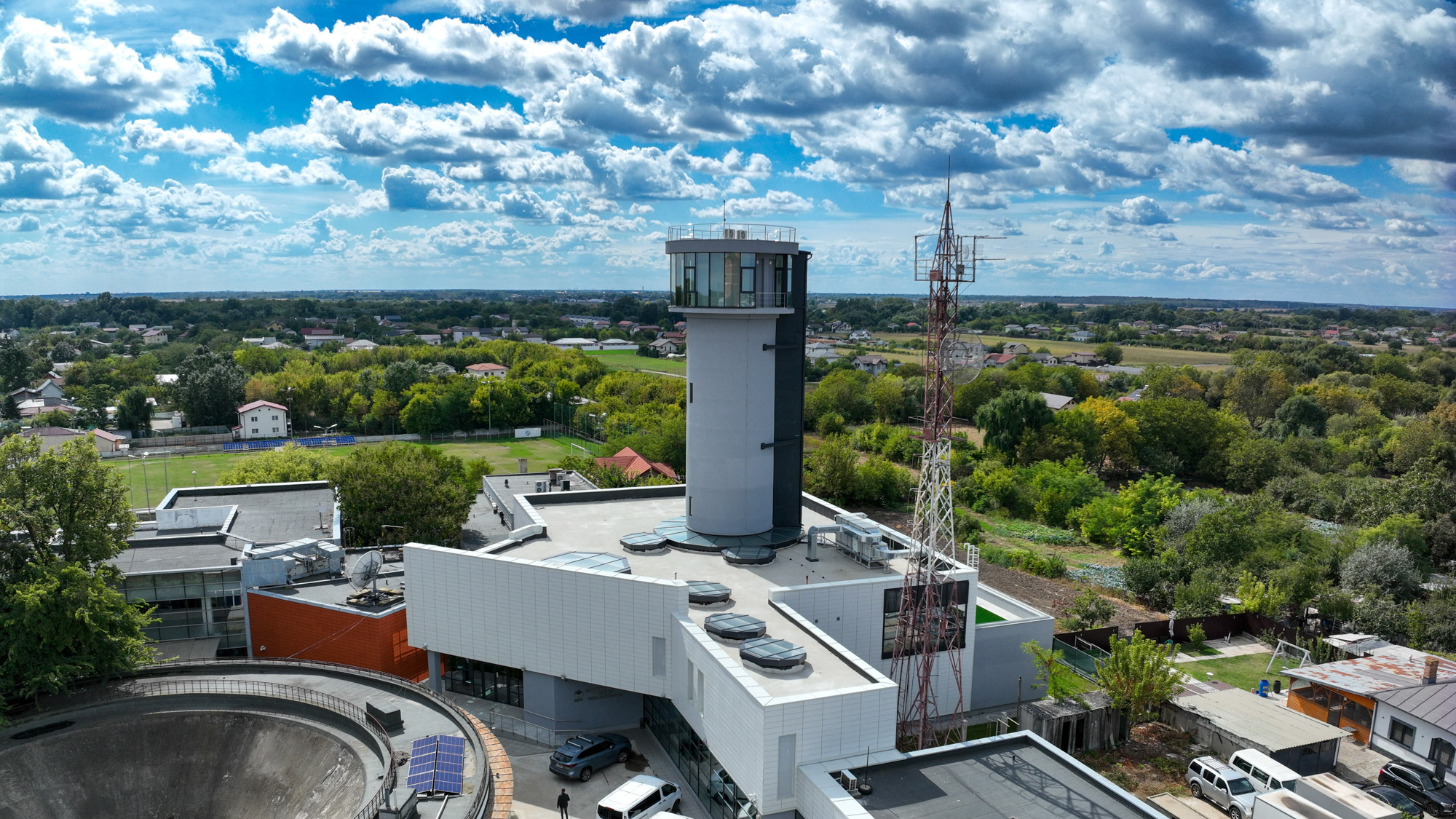
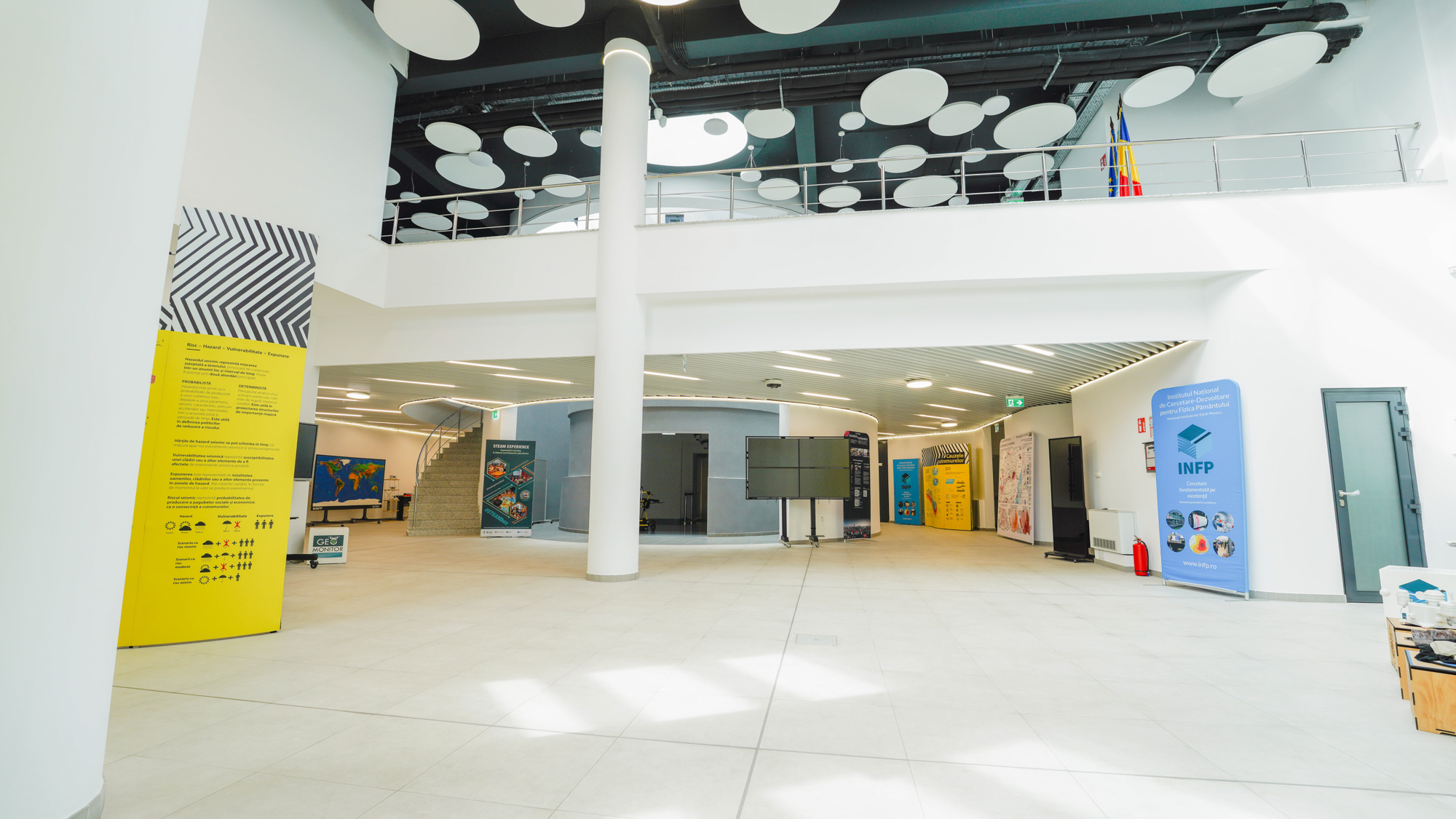
Venue
National Institute for Earth Physics (NIEP)
12 Calugareni Street, Magurele, Ilfov County, Romania
Abstract submission
When submitting your extended abstract, please indicate the type of presentation (oral or poster) and the topic that best fits your presentation. Please also underline the name of the presenting author.
Extended abstract template
Presentations Guidelines
Presenters are kindly requested to prepare their oral or poster presentations in accordance with the SEISMOS presentation guidelines. Official SEISMOS templates are available for download below.
Oral Presentation Guidelines
Presenters delivering an oral presentation are requested to use the SEISMOS PowerPoint template.
Please prepare your presentation in English and ensure that all text, figures, tables, and references are clearly readable.
- Please use the official SEISMOS oral presentation template.
- Please keep your presentation within the time allocated in the scientific programme.
- Please send your presentation in PPTX or PDF format to seismos_conf@infp.ro by 9 November 2026, and bring a copy on a USB flash drive.
- Presentation files should be uploaded to the computer in the session room before the session begins.
- Please check that all videos, animations, fonts, and special characters function correctly after uploading your file.
- Please make sure that your presentation fits within the allocated time, allowing sufficient time for interaction with the audience.
The session details will be available in the final scientific programme.
Poster Presentation Guidelines
Poster presenters are requested to prepare their posters using the official SEISMOS poster template.
Please do not change the size or orientation specified in the template. Posters must be prepared in English and should clearly present the objectives, methodology, results, and conclusions of the study.
- Please use the official SEISMOS poster presentation template, provided in PDF format. The poster should be prepared in A0 format, with the following printed dimensions: 84.1 cm width x 118.9 cm height.
- Please maintain the dimensions and orientation provided in the template.
- The title, author names, and affiliations should be clearly displayed at the top of the poster.
- Text, figures, graphs, and tables should be readable from an appropriate viewing distance.
- Presenters are responsible for printing and bringing their posters to the conference venue.
- Materials for mounting the posters will be provided in the poster area.
- Each poster must be displayed on its assigned board.
- The poster session will be announced in the final scientific programme.
- Presenters are expected to be available beside their posters during the designated poster session.
Poster Presentation Template
Important information
Participants are advised to check the SEISMOS website regularly for updates.For questions regarding presentation requirements, please contact the SEISMOS Organizing Committee: seismos_conf@infp.ro
Committees
Chair
Scientific Committee
Organising Committee
Sponsors
This conference is organized with the support of the following projects:

EPOS-RO
Strengthening the integration of geophysical infrastructures in Romania
into the European Research Area

FASTER
First Impact Assessment Systems and Tools for Earthquake Rapid Response

GEOMONITOR
An integrated monitoring solution for natural and human-induced phenomena
that trigger societal risks, to ensure the safety of the population in the
affected area - Slanic Town, Prahova County
Important Dates & Archive
Key Deadlines
- Submission of the proposed title and list of authors September 29, 2026
- Prospective authors are kindly invited to submit the proposed title and the list of authors of their contribution by this date. This preliminary information will be used to organise the conference's scientific programme.
- Extended Abstract Submission (2-4 pages) October 9, 2026
- Extended Abstract Acceptance October 26, 2026